
Sublimation Temperature and Time Guide: Heat Press Settings for Every Blank
Sublimation Temperature and Time Guide: Heat Press Settings for Every Blank
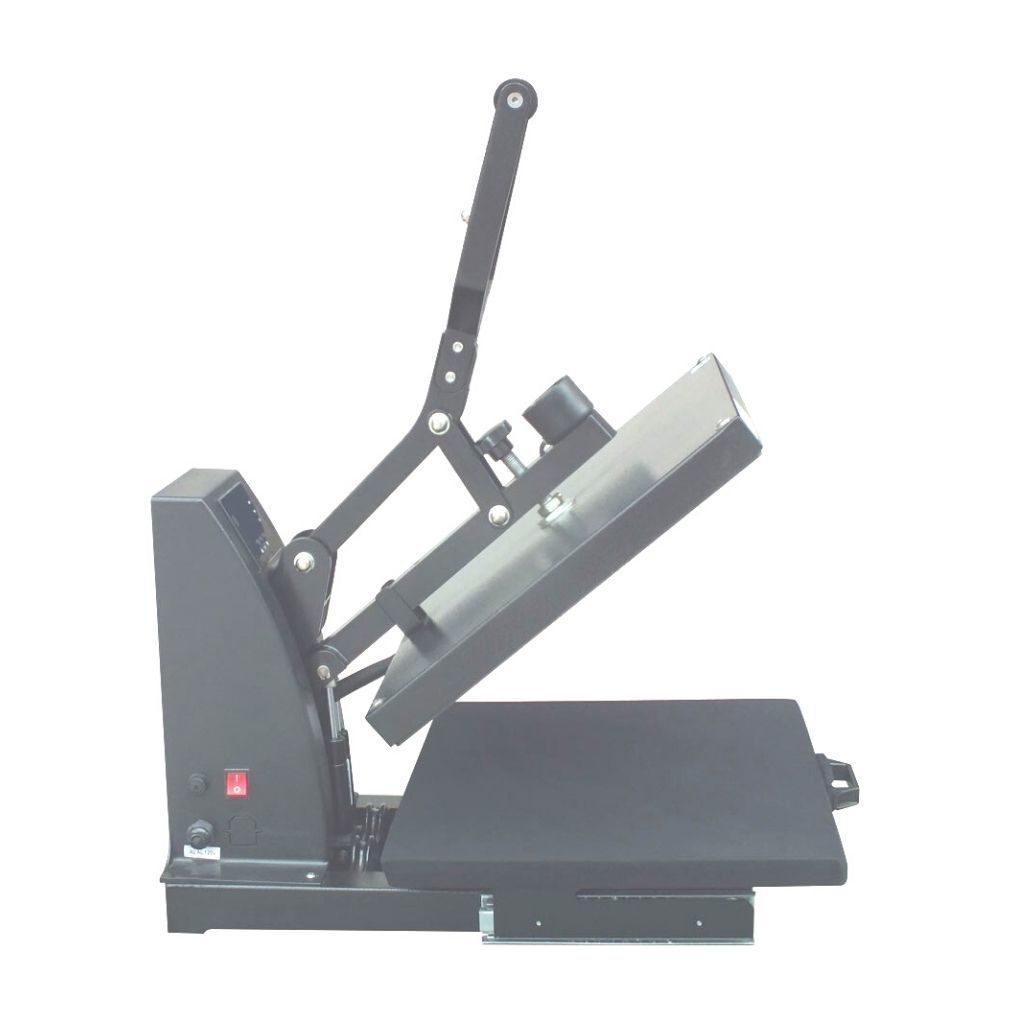
If you’ve ever pulled a blank off your heat press only to find a faded, blotchy, or ghosted print — chances are your temperature or time was off. Getting these settings right is one of the most important skills in sublimation, and it’s something that trips up beginners and experienced crafters alike.
This guide covers the recommended sublimation temperature and time settings for all the most popular blanks — from coasters and keyrings to tea towels, slates and more. Bookmark it, pin it up near your press, and never guess again.
Quick note: These settings are guidelines, not guarantees. Always do a test print on a blank first, as results can vary depending on your specific heat press, ink brand, and sublimation paper.
Why Temperature and Time Matter So Much
Sublimation works by turning solid ink into gas using heat, which then bonds permanently into the polymer coating of your blank. If your temperature is too low, the ink won’t fully transfer and you’ll get a washed-out print. Too high, and you risk scorching the blank or washing out bright colours — especially yellows and reds.
Time works hand-in-hand with temperature. Too short and the transfer is incomplete. Too long and the ink can bleed or over-saturate, creating blurring around fine details.
Getting both right together is what produces that sharp, vibrant, professional finish.
Sublimation Temperature and Time: Quick Reference Table
Use this as your go-to cheat sheet. Times are based on a flat heat press unless noted otherwise.
(In WordPress, create a Table block with 5 columns and paste the following data in:)
| Blank / Product | Temperature | Time | Pressure | Notes |
|---|---|---|---|---|
| MDF Coasters | 180–190°C (356–374°F) | 60–90 sec | Medium | Place print face down. Remove paper immediately. |
| MDF Keyrings | 180–190°C (356–374°F) | 60–75 sec | Medium | Tape securely to prevent shifting. |
| Fridge Magnets (MDF) | 180–185°C (356–365°F) | 55–70 sec | Light–medium | Watch for edge bleeding on small magnets. |
| Aluminium Sheet | 180–200°C (356–392°F) | 60–120 sec | Medium | Allow to cool before removing paper. |
| Tea Towels (polyester) | 180–200°C (356–392°F) | 45–60 sec | Medium–firm | Pre-press 5 sec to remove moisture. |
| Tote Bags (polyester) | 185–200°C (365–392°F) | 45–60 sec | Medium–firm | Pre-press to flatten. Use Teflon sheet. |
| Rock / Photo Slates | 200–210°C (392–410°F) | 90–150 sec | Firm | Use silicone wrap for even pressure. |
| Makeup Bags (polyester) | 185–200°C (365–392°F) | 45–55 sec | Medium | Pre-press to remove creases. |
| Bookmarks (MDF) | 180–190°C (356–374°F) | 55–65 sec | Medium | Tape carefully — small blanks shift easily. |
| Mugs (standard 11oz) | 180–200°C (356–392°F) | 180–240 sec | Medium | Requires mug press. Wrap tightly. |
All Blanks Sublimation products are tested in-house before they reach you. The settings above are based on our own testing with standard sublimation inks on a flat heat press.
Detailed Settings by Blank Type
Coasters
Coasters are one of the best beginner blanks — they’re forgiving, fast, and produce stunning results. Our MDF coasters have a special sublimation coating that works brilliantly at 180–190°C for 60–90 seconds.
Top tip: Remove the transfer paper immediately after pressing while it’s still hot. This prevents ghosting (double images) caused by the paper shifting as it cools.
Keyrings
Keyrings are small, so heat tape is essential — even a tiny shift during pressing will blur your design. Use two or three pieces of heat tape to hold the paper firmly in place.
Press at 180–190°C for 60–75 seconds. MDF keyrings can scorch if left too long, so err on the shorter side first and build up if needed.
Tea Towels and Tote Bags
Fabric blanks need a slightly different approach. Polyester content is key — sublimation only works on synthetic fibres, so make sure your blanks are 100% polyester or at least a high-polyester blend.
Always pre-press for 5 seconds first to drive off moisture and flatten any creases. Moisture is the enemy of sublimation on fabric — it creates blotchy patches in the finished print.
Press at 185–200°C for 45–60 seconds with medium to firm pressure. Use a Teflon sheet on top to protect the blank surface and your press plate.
Slates and Photo Gifts
Slates need more heat and longer press times because the surface is denser. Aim for 200–210°C for 90–150 seconds.
Because slates have an uneven surface, a silicone wrap or silicone mould press is highly recommended to ensure even pressure across the whole design. Without it, you may find patchy areas where the transfer hasn’t fully bonded.
Aluminium Sheets
Aluminium transfers beautifully and produces some of the sharpest, most vibrant results of any blank. Press at 180–200°C for 60–120 seconds depending on the thickness.
Important: Allow the aluminium to cool for at least 30 seconds before peeling the transfer paper. Removing it hot can smear the ink before it fully sets.
Common Temperature and Time Mistakes (And How to Fix Them)
Faded or washed-out colours: Temperature is too low or time is too short. Increase by 5°C or add 10–15 seconds.
Blurry or ghosted design: The transfer paper moved during pressing. Use more heat tape, and remove the paper quickly after pressing.
Yellow tones in whites or bright areas: Temperature is too high. Drop by 5–10°C.
Patchy or uneven transfer on fabric: Moisture in the blank. Always pre-press fabric blanks for 5 seconds before applying your transfer.
Ink bleeding past the design edges: Time is too long or pressure too heavy. Reduce press time and check pressure is medium rather than firm.
Celsius vs Fahrenheit: Quick Conversion
If your heat press only shows Fahrenheit, here’s a quick reference:
| °C | °F |
|---|---|
| 170°C | 338°F |
| 175°C | 347°F |
| 180°C | 356°F |
| 185°C | 365°F |
| 190°C | 374°F |
| 195°C | 383°F |
| 200°C | 392°F |
| 205°C | 401°F |
| 210°C | 410°F |
Final Tips for Consistent Results
- Always calibrate your heat press — many presses run 5–10°C hotter or cooler than displayed. A cheap press thermometer is worth every penny.
- Use heat-resistant tape on all four sides of small blanks to prevent shifting.
- Pre-press fabric blanks for 5 seconds before applying the transfer.
- Mirror your image before printing — this is easy to forget and ruins the blank.
- Print on the coated side of sublimation paper, not the plain side.
- Store unused sublimation blanks flat and away from direct sunlight to protect the coating.
Shop Sublimation Blanks at Blanks Sublimation
Ready to get pressing? Browse our full range of sublimation blanks — all tested in-house for consistent, professional results. We stock coasters, keyrings, tea towels, slates, fridge magnets, tote bags, aluminium sheets and more, with fast UK dispatch and free delivery over £100.
Got a question? Call us on 01293 922 952 — we’re always happy to help.
Written by the Blanks Sublimation team — UK sublimation blank specialists. All settings in this guide are based on our own in-house testing.